The Schoolhouse — Renovation 2023–2024
How the original schoolhouse was recovered from beneath a century of modifications
A Philosophy of Preservation
The renovation, begun in 2023, was guided by historic preservation standards and expertise. The goal was to reveal and protect the original schoolhouse footprint and materials, prioritizing historical integrity over modernization.
This meant careful work to uncover, document, and preserve original features—even when it would have been easier to replace them. It meant removing later additions that obscured the schoolhouse's form while protecting the surviving materials from Stovepipe Academy's school years.
The result is a building that reveals its own story—layers of history made visible, not erased.
Before
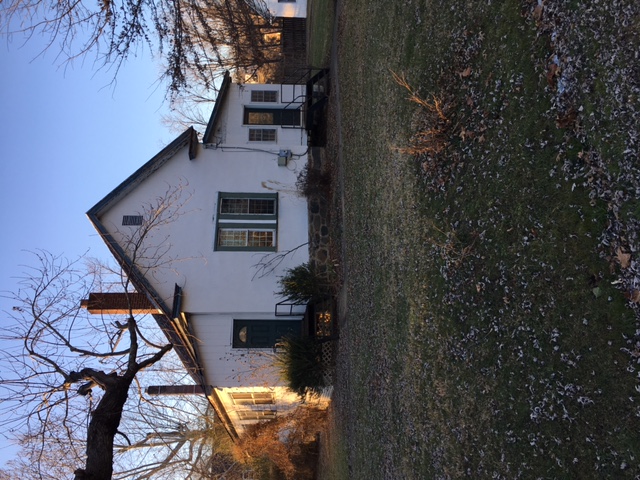
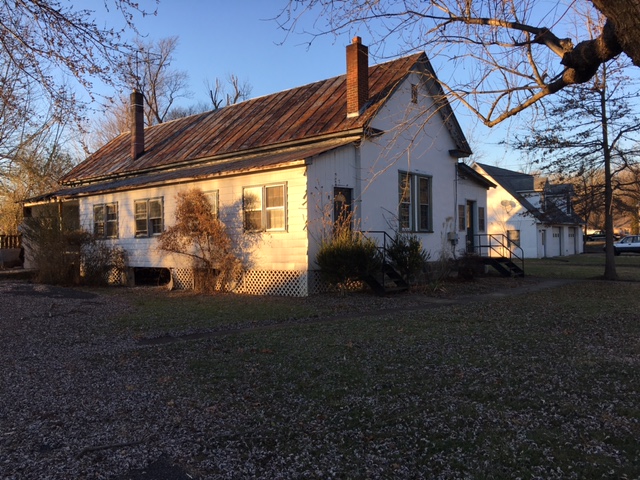
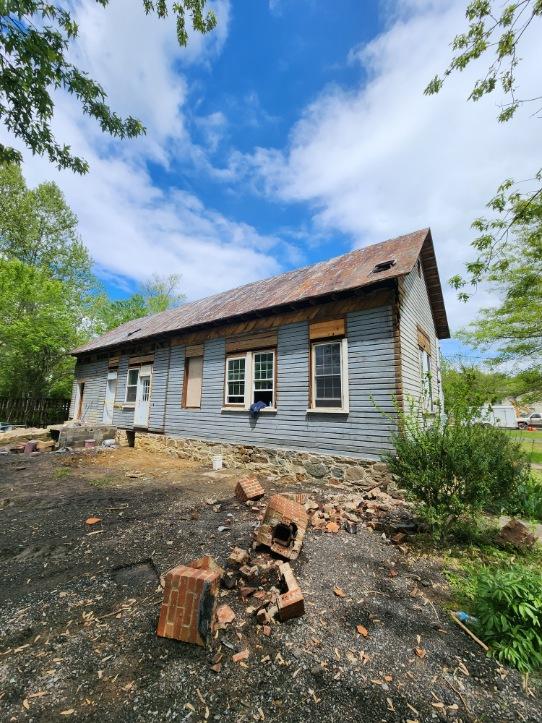
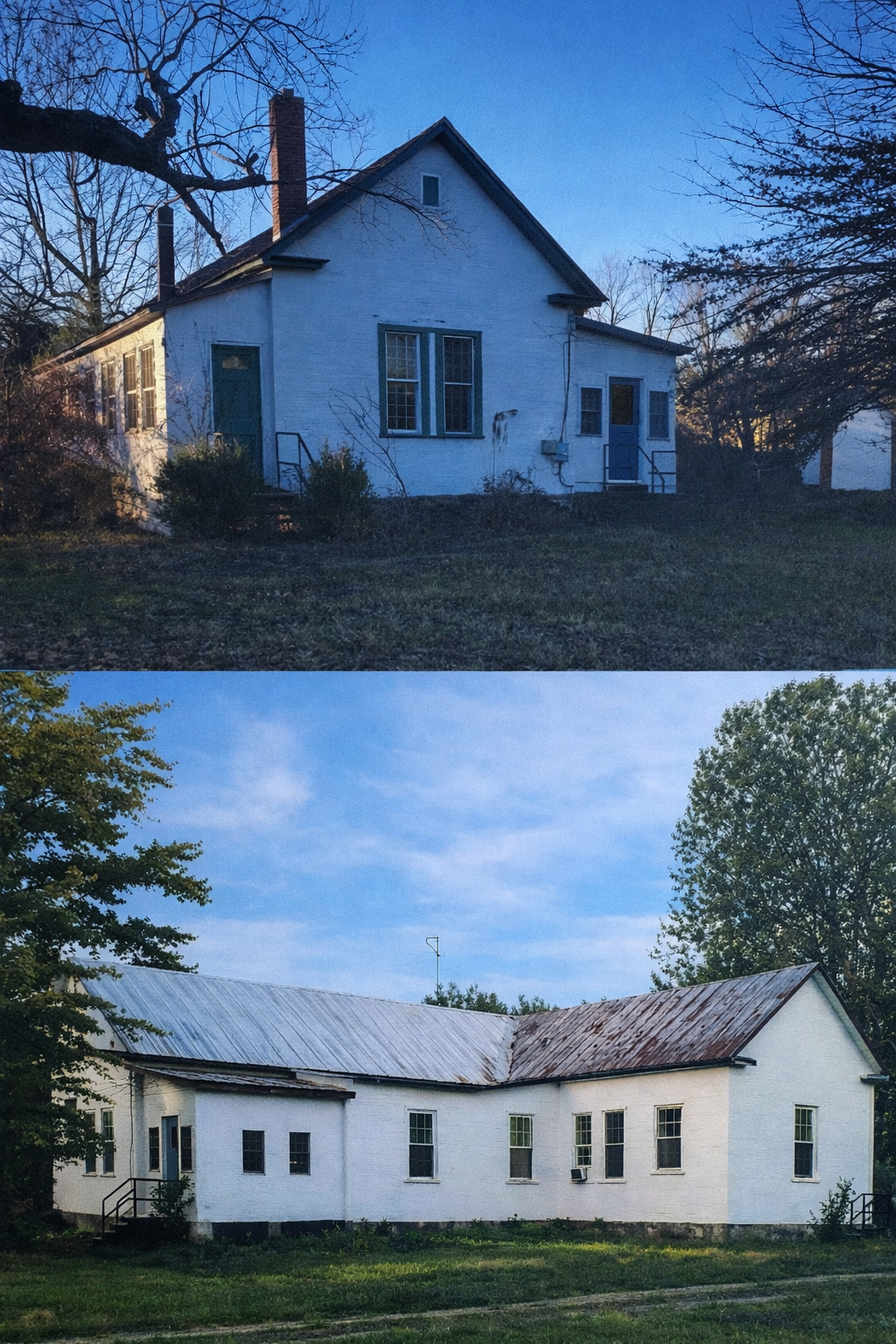
When restoration work began in 2023, the building had been in residential use for over a century. Later additions, altered surfaces, partitions and other accumulated changes had hidden the original schoolhouse beneath layers of modification.
To a casual observer, this was simply an old house. Its significance as one of Loudoun County's earliest public schoolhouses had mostly faded from public awareness.
During
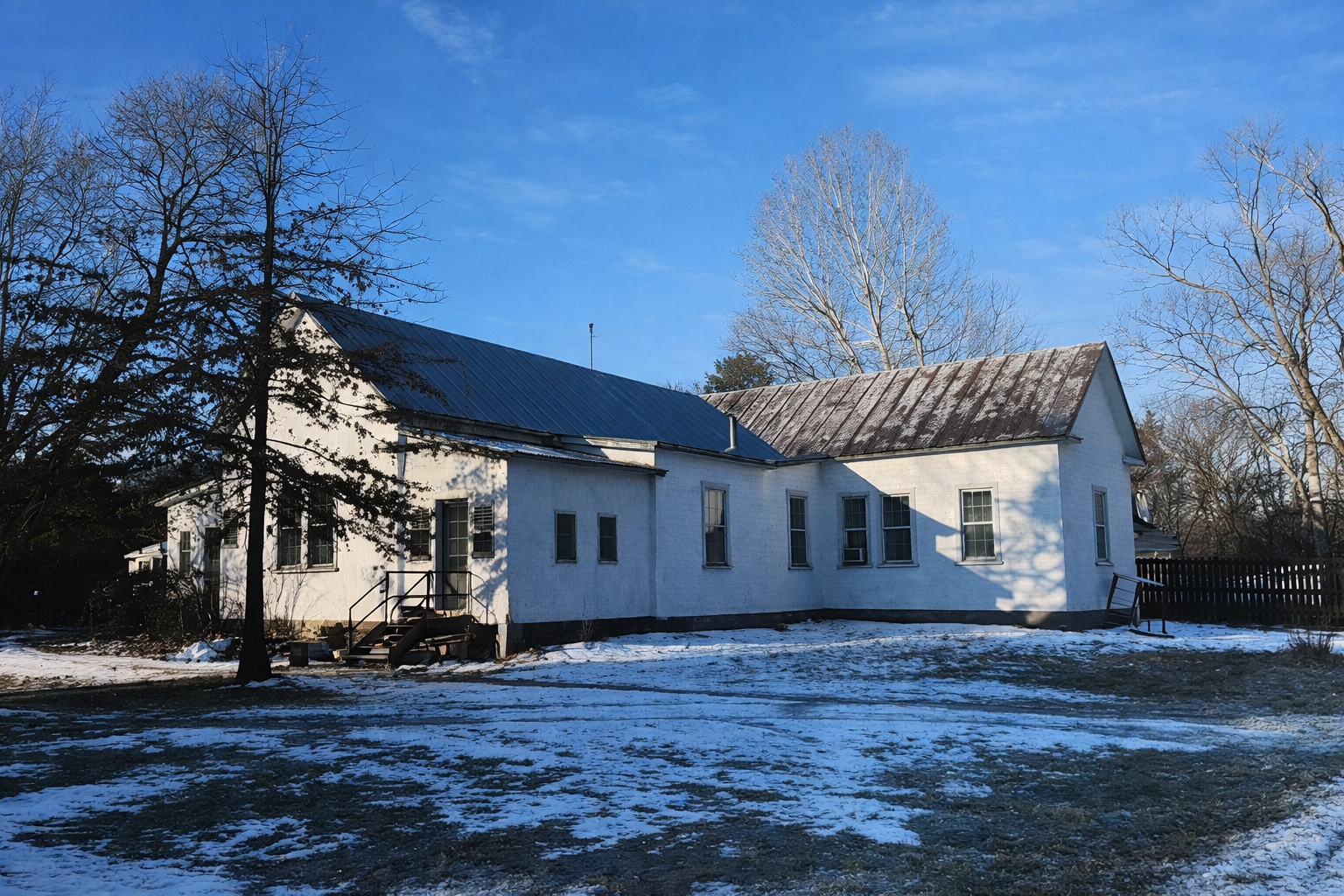
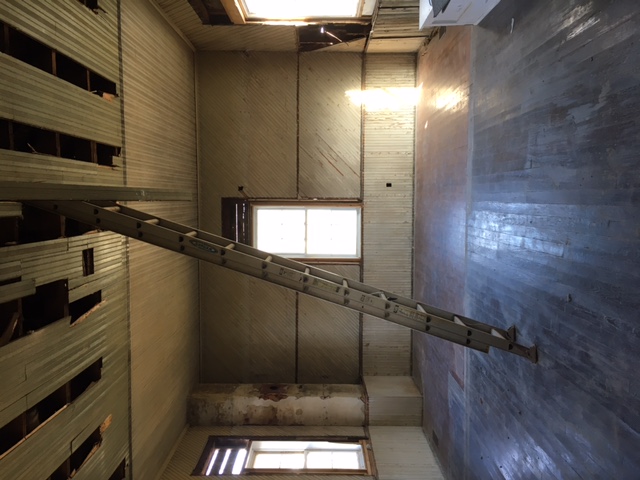
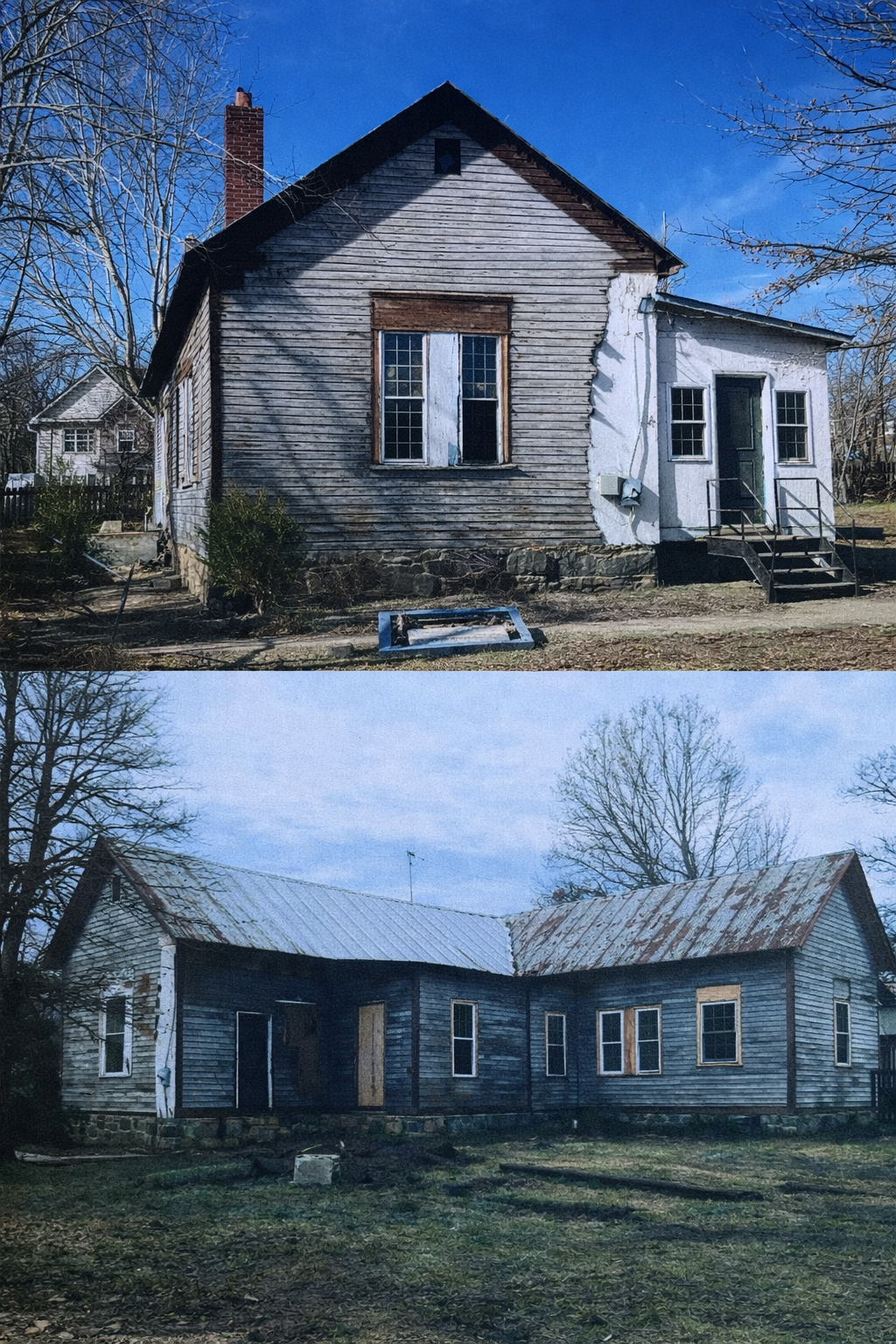
As work progressed, the original schoolhouse began to emerge. Each discovery—foundation, framing, flooring, etc.—guided preservation decisions as they revealed more of the building's architectural history.
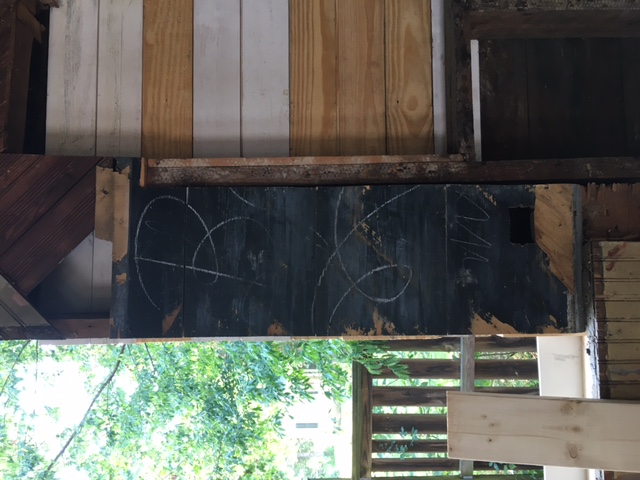
The most extraordinary discovery came when original 1870s blackboards were uncovered in both the North and South Classrooms, still bearing agricultural math problems and student doodles. These were immediately protected and documented.
Preservation in Action
Every decision during the renovation was made with the goal of protecting original materials. When later additions had to be removed to restore the schoolhouse footprint, they were carefully dismantled and documented. Original surfaces were cleaned and stabilized, not replaced.
.JPG)
.JPG)
After
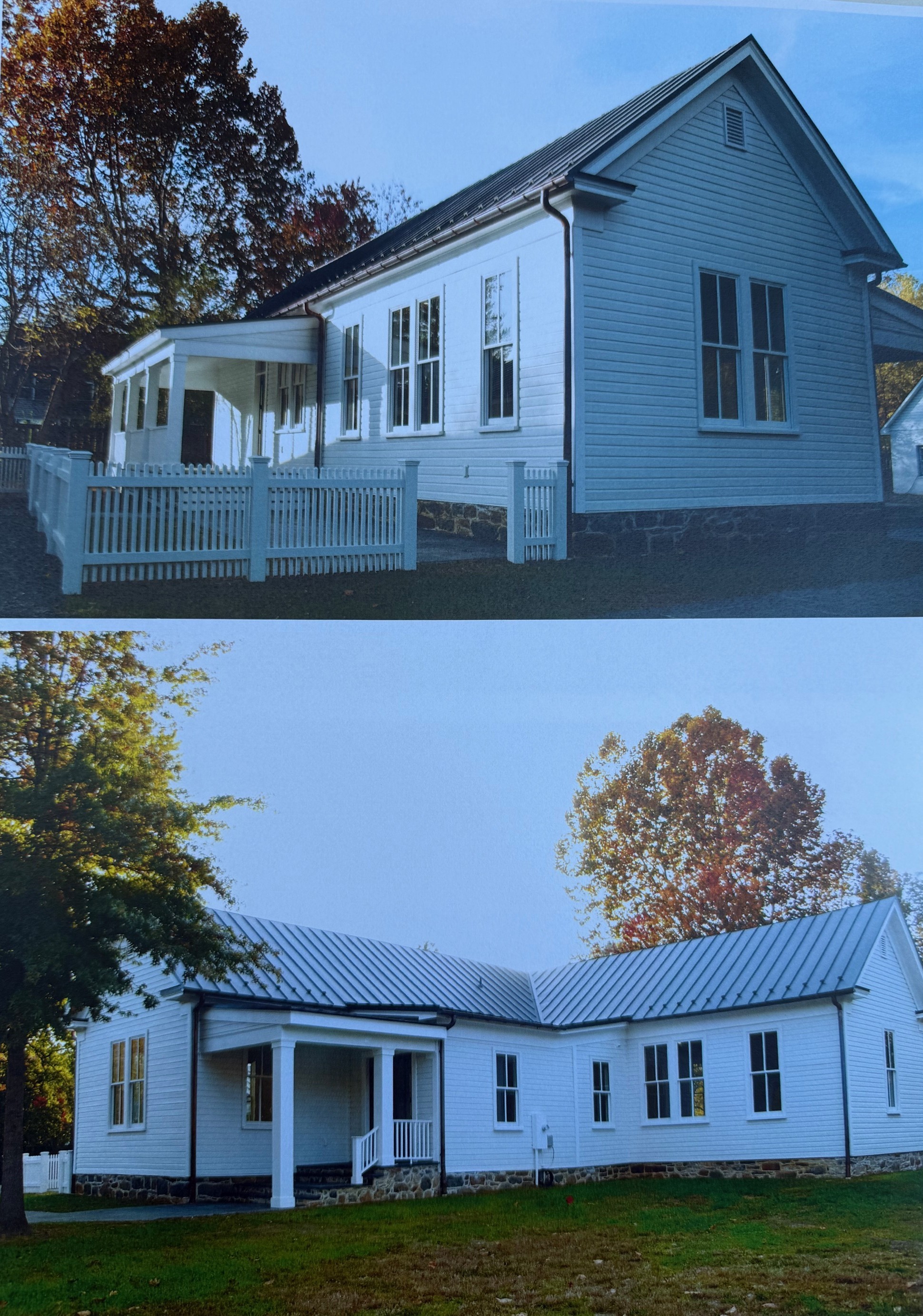
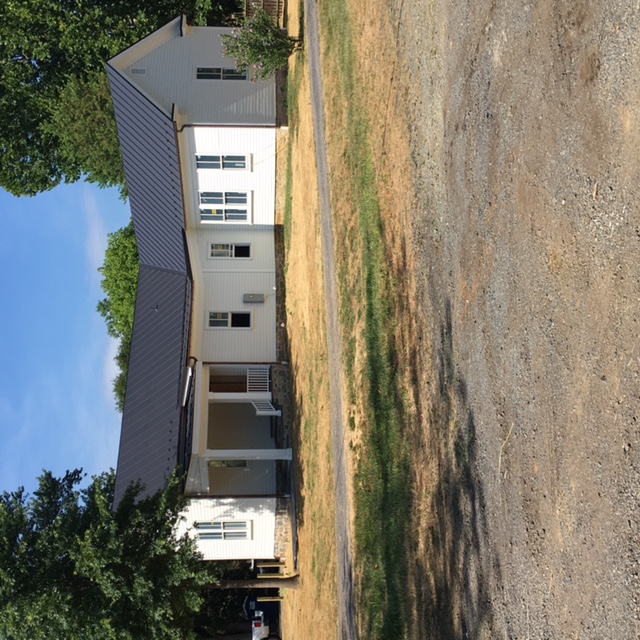
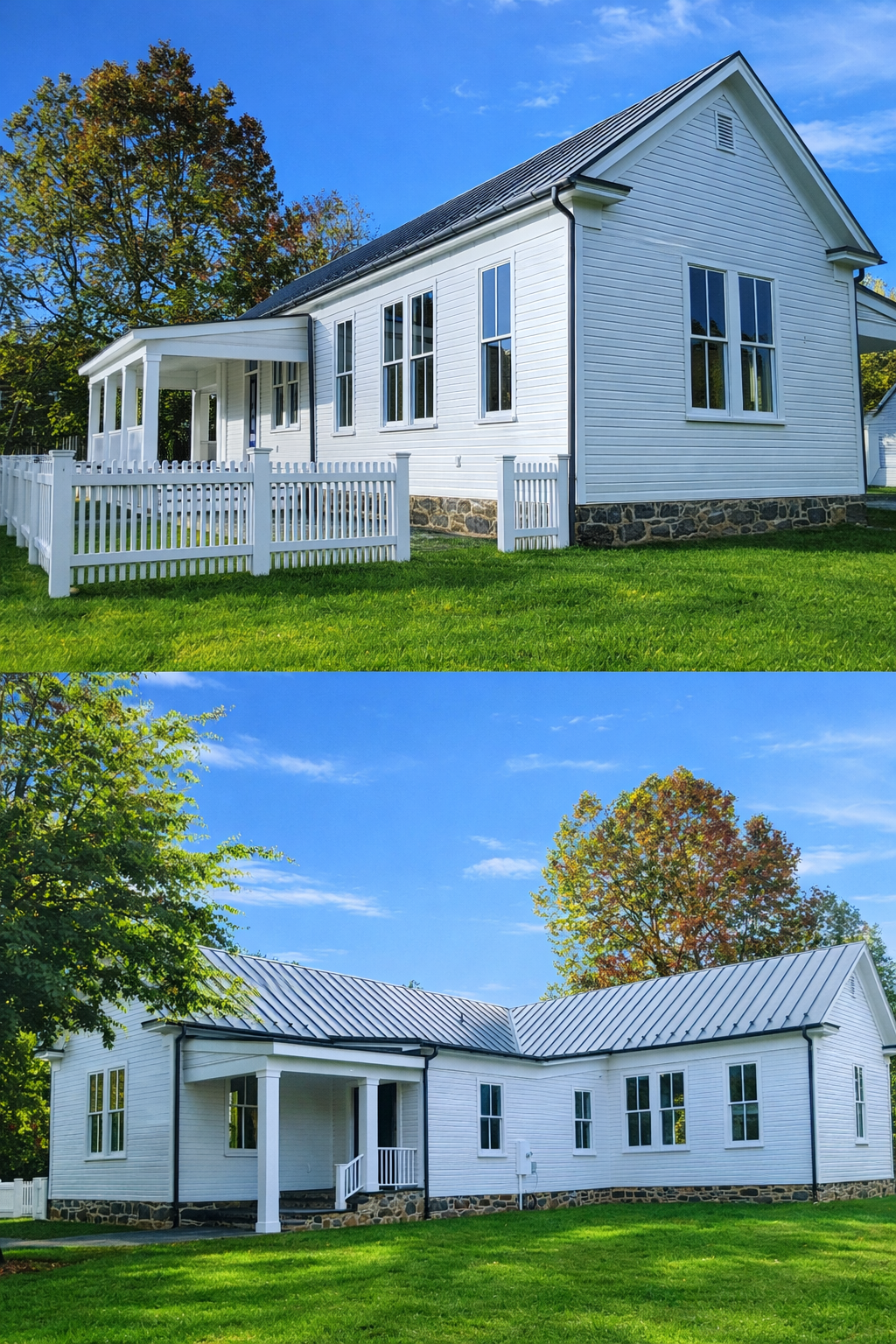
The restored Stovepipe Academy now stands as a museum-quality example of Reconstruction-era school architecture—its original features preserved, its history made visible.
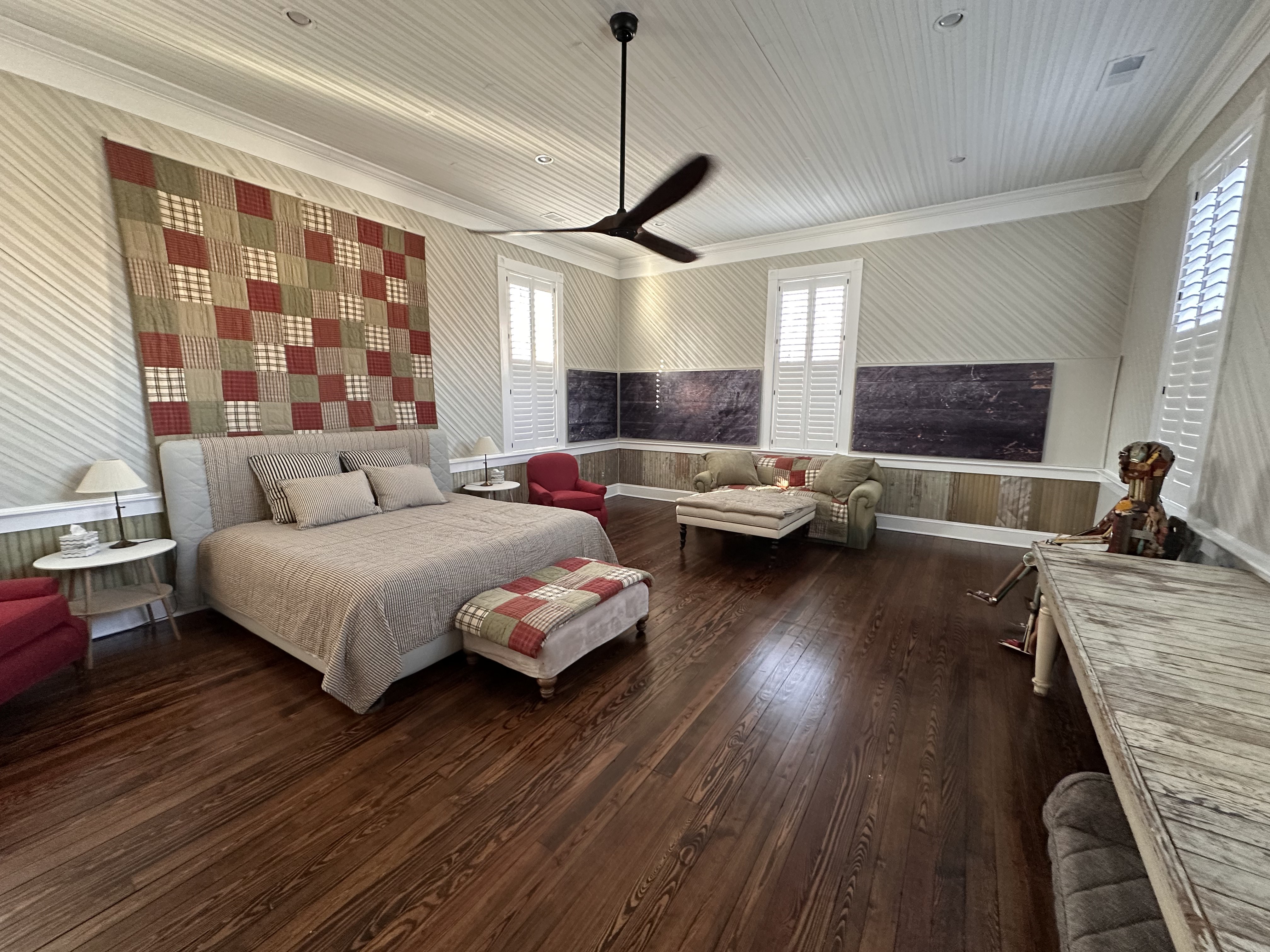
The blackboards are protected behind life-size photomurals, allowing them to be studied and appreciated while preventing further deterioration to the original surfaces.
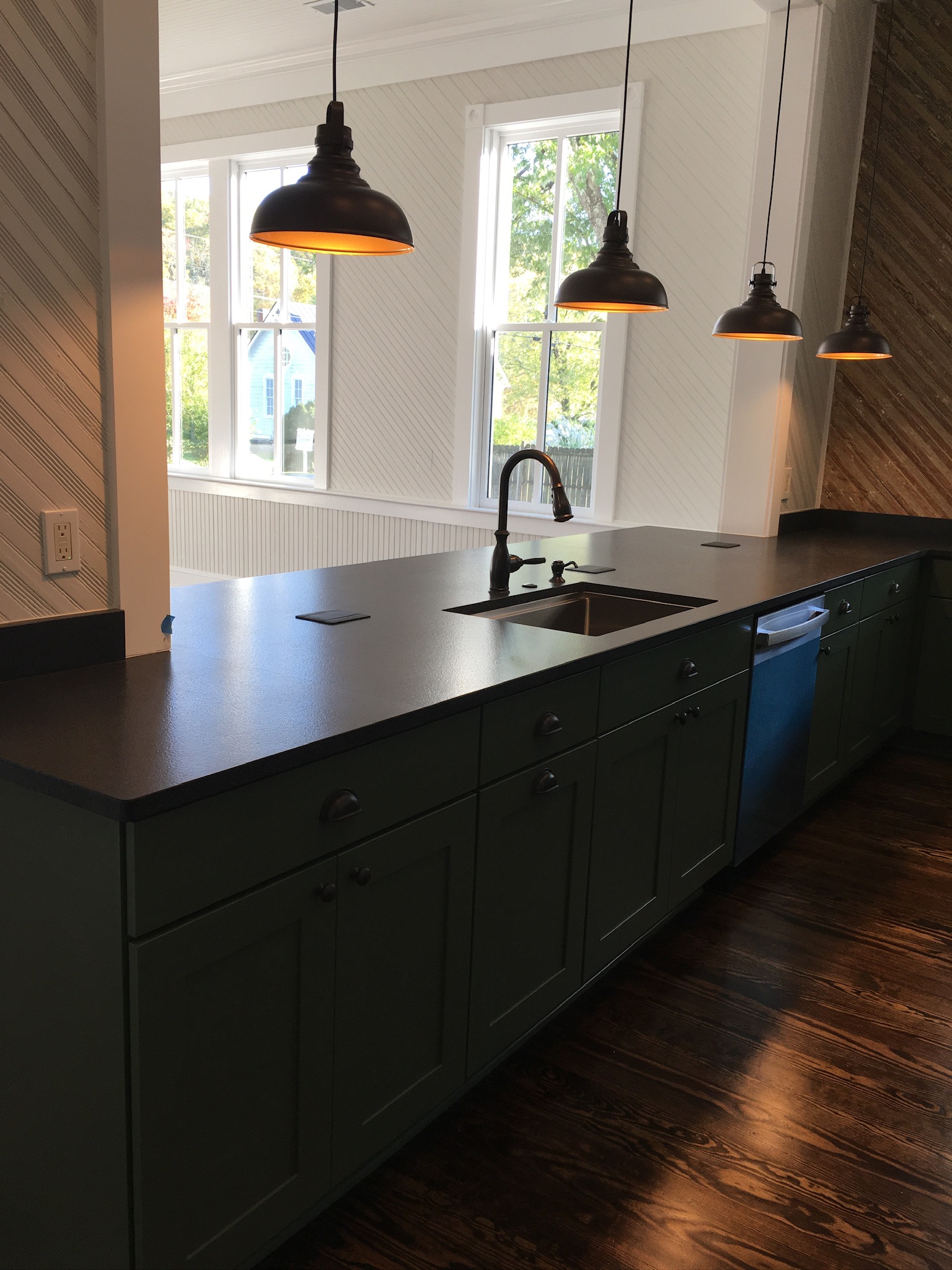
The interior's original 12-foot high ceilings, interior beadboard, and pine floors have been carefully preserved. The interior beadboard paneling reveals different profiles between the original and later sections. The oldest 5-bead paneling delineates the original schoolhouse footprint of two classrooms plus cloakroom. The largest swaths of all interior wall board are installed on the diagonal for stability, characteristic of the era's German and Dutch construction.
Outside, the restored footprint reflects the schoolhouse as it appeared during its years of operation—a simple, dignified building that served the children of Aldie for over four decades.
Before, During & After
The complete transformation—from obscured residence to revealed schoolhouse.
Renovation Notes & Findings
For a detailed look at the preserved features uncovered by the renovation, continue to The Schoolhouse — Renovation Notes & Findings.